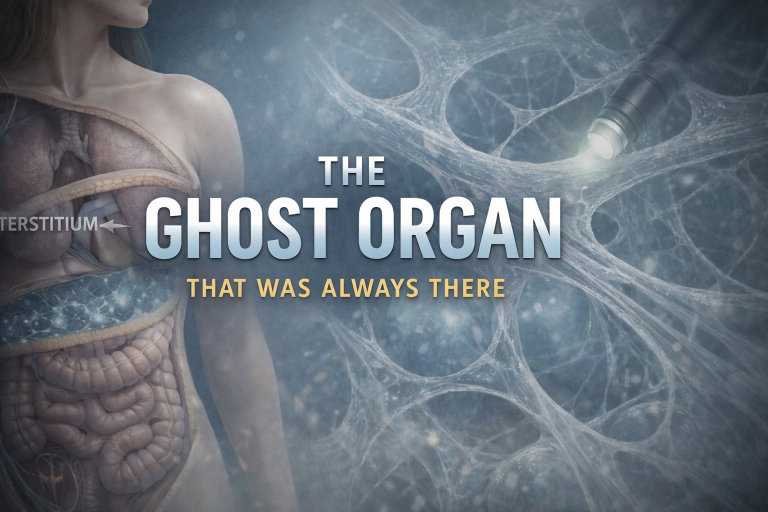
Most people think their nervous system problems come from one thing:
Not enough energy.
So they:
- Take supplements
- Focus on mitochondria
- Increase stimulation
But here’s what almost no one is talking about:
Your nervous system doesn’t fail because it lacks energy.
It fails because it loses structure.
And structure depends on something far more fundamental than fat, vitamins, or even neurotransmitters.
It depends on:
Adhesion.
THE ADHESION PRINCIPLE
Why Myelin Is Not Just Insulation, But Architecture
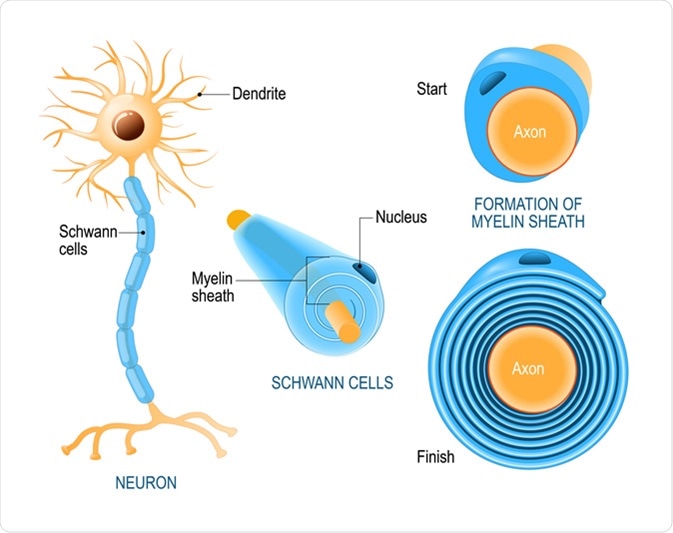

We’ve been taught that myelin is simply a fatty coating around nerves.
And while lipids are part of the story…
That model is incomplete.
Because myelin is not just insulation.
It is a living, structured, dynamic system built by Schwann cells—cells that must:
- Wrap precisely
- Communicate constantly
- Repair intelligently
Within myelin exists a critical but overlooked layer:
Non-compact myelin
This is where:
- Cells exchange information
- Signals are coordinated
- Repair processes begin
And this entire system depends on one thing:
Cells staying connected.
E-Cadherin: The Molecule That Holds Intelligence Together

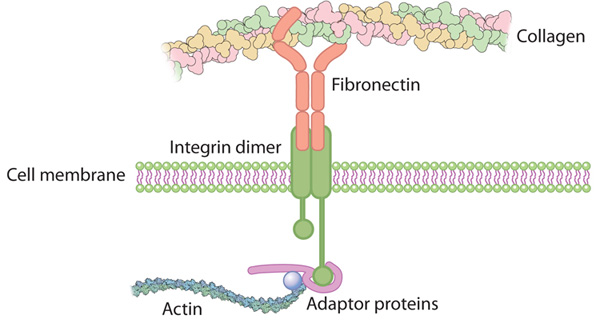
At the center of this connection layer is a molecule most people have never heard of:
E-cadherin
E-cadherin is part of a class of proteins responsible for cell-to-cell adhesion.
But calling it “glue” is too simplistic.
It is better understood as:
A structural communication system that allows cells to organize, signal, and behave coherently.
In the nervous system, E-cadherin:
Stabilizes Myelin Architecture
Maintains integrity in non-compact myelin regions.
Enhances Neuregulin Signaling
Supports the very signals that tell Schwann cells to form myelin.
Supports Repair After Injury
Appears in Schwann cell columns guiding regenerating axons.
Maintains Regenerative Potential
Supports neural stem cell self-renewal.
When Cells Can’t Adhere, Systems Collapse
We often think dysfunction is caused by:
- Inflammation
- Oxidative stress
- Nutrient deficiency
But beneath all of that lies a deeper issue:
Loss of adhesion → loss of structure → loss of function
When adhesion breaks down:
- Myelin destabilizes
- Signals become inconsistent
- Repair becomes disorganized
- The system loses coherence
This is not just dysfunction.
This is loss of biological integrity.
The Sugar Code: The Hidden Language of Cellular Connection

Here’s where it gets even more interesting.
E-cadherin is not just a protein.
It is a glycoprotein.
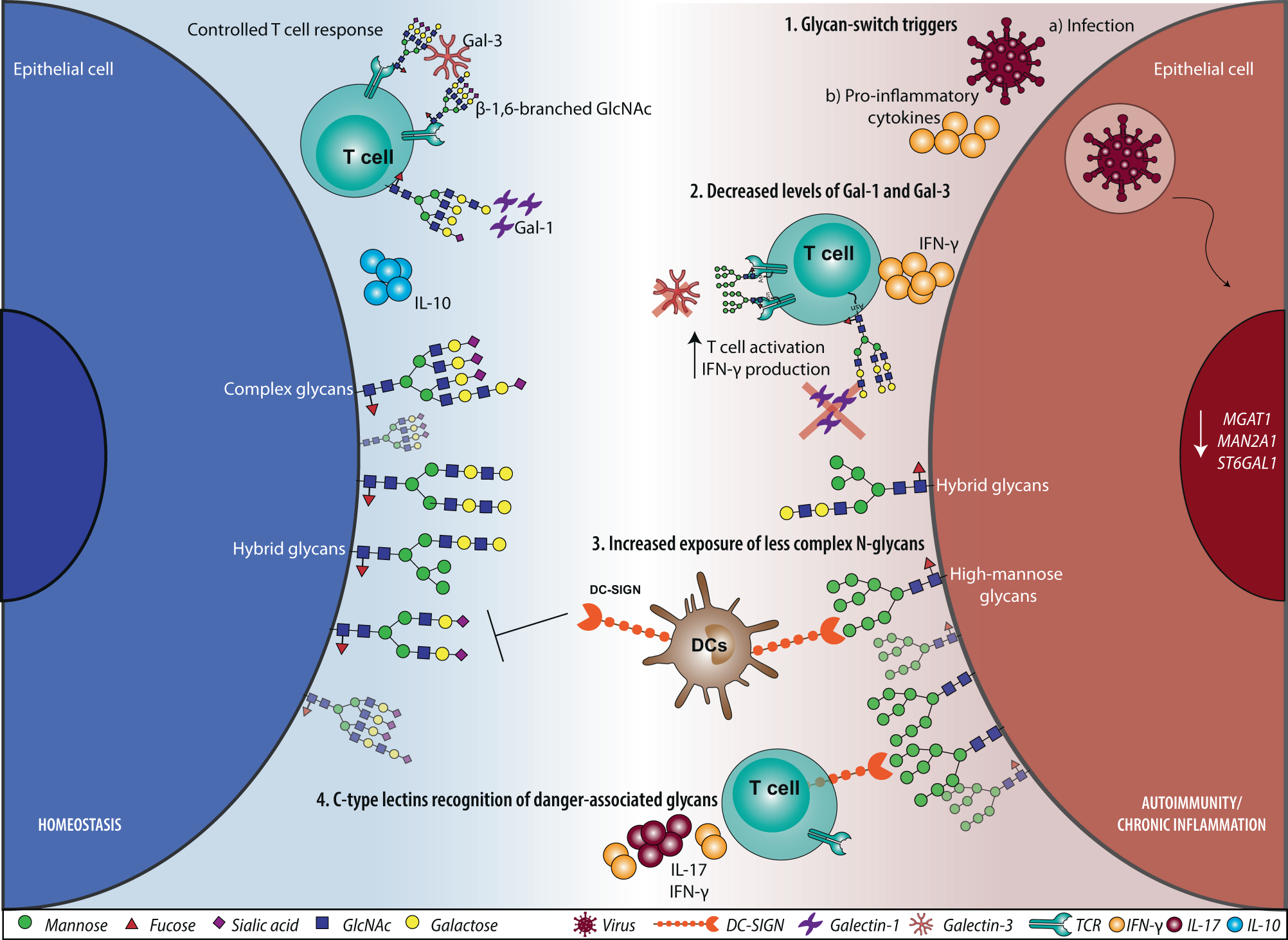
Which means it depends on glycans—carbohydrate structures that regulate:
- Cell recognition
- Adhesion strength
- Signal coordination
This layer is known as:
The Sugar Code
Just as DNA encodes genetic information…
Glycans encode relational intelligence between cells.
Without this layer:
- Adhesion proteins don’t function properly
- Signals become distorted
- Cells lose their ability to coordinate
Why These Ingredients Matter (The NeuroMedix Logic)
Now we can ask a better question:
What supports not just nerves… but the structure behind nerve function?
D-Mannose — Feeding the Recognition Layer
Supports glycan formation and the cellular communication interface.
It nourishes the language of adhesion.
Genistein — Structure + Signal Amplifier
Shown to increase E-cadherin expression and support neuroprotection.
It strengthens both architecture and instruction.
EGCG — Stabilizing the Environment
Supports E-cadherin expression and reduces inflammatory disruption.
It protects both structure and terrain.
Indole-3-Carbinol — Signal Integrity Compound
Supports cleaner cellular signaling and adhesion pathways.
It helps maintain order in cellular behavior.
Tangerine Peel — Structural Bridge
Rich in flavonoids supporting both:
- Neuroinflammation balance
- Adhesion-related pathways
It connects environmental health with structural cohesion.
The Bigger Realization: Structure Determines Signal

We’ve been conditioned to think:
Signal → Function
But the deeper truth is:
Structure → Signal → Function
Without structure:
- Signals degrade
- Systems destabilize
- Performance declines
From Biology to Dharma: The Adhesion Principle
Here is where the deeper pattern reveals itself.
In the body:
- Adhesion → Stability → Signal → Function
In your life:
- Self-adherence → Consistency → Clarity → Dharma
ENGINEER’S LOG
A nervous system does not fail because it lacks signal.
It fails because it cannot maintain structure.
A human being does not fail because they lack knowledge.
They fail because they cannot stay aligned long enough to act.
MYSTIC’S MUSINGS
Dharma is not what you know.
Dharma is what you can stay with.
FINAL TRANSMISSION
You are not just supporting nerves.
You are supporting:
Adhesion
Organization
Regeneration
Coherence
Because the real problem is not lack of energy.
It is lack of connection.
And the real solution is not more stimulation.
It is:
Learning how to stay… connected.
Frequently Asked Questions
What does the piece say is really behind nervous-system problems?
It challenges the common assumption that nervous-system issues come down to not enough energy — fixable with supplements, mitochondria support, or stimulation. Instead, it argues the nervous system fails not for lack of energy but for loss of structure. And that structure depends on something fundamental: adhesion.
How is myelin architecture, not just insulation?
We are taught myelin is simply a fatty coating that insulates nerves. The piece calls this incomplete: myelin is a living, structural element — architecture that holds the nervous system together and allows it to function. Adhesion and structural integrity, in this view, matter as much as the lipids and energy supply we usually focus on.
What’s the practical takeaway?
That supporting the nervous system means tending its structure and integrity — not just chasing more energy or stimulation. Recognizing the role of adhesion and structural coherence reframes how we think about nervous-system health. As with any health concern, this holistic perspective is best held alongside, not instead of, guidance from qualified medical professionals.