Understanding GABA, inhibitory signalling, and the nutrients that allow the nervous system to finally exhale.
In a world of constant stimulation, many people experience a nervous system that feels too on. Racing thoughts, muscle tension, anxiety, sound sensitivity, poor sleep, and an inability to truly relax are often described as psychological problems. But very often, they are biochemical signals.
At the cellular level, the nervous system depends on a delicate balance between excitation (signals that activate neurons) and inhibition (signals that calm and regulate them). When this balance tilts too far toward excitation, the brain and nerves begin to fire excessively. The result is not clarity or productivity—but overwhelm.
Three nutrients play a quiet yet essential role in maintaining this balance: taurine, magnesium, and vitamin B1 (thiamine).
When they are present in sufficient amounts, inhibitory signalling in the brain is strong, adaptive, and resilient. When they are depleted, the nervous system loses its brakes.
The Nervous System Needs Inhibition to Feel Safe
The brain is not designed to be calm because life is easy. It is calm when it has the resources to regulate itself.
One of the most important inhibitory systems in the brain relies on GABA (gamma-aminobutyric acid)—a neurotransmitter that reduces excessive neuronal firing. GABA does not sedate the brain; it organizes it. It allows thoughts to slow, muscles to soften, and sensory input to be processed without overwhelm.
When inhibitory signalling is strong:
-
Thoughts are clear rather than racing
-
Muscles release instead of bracing
-
Sounds and light are tolerable
-
Sleep deepens naturally
-
Emotional reactions are proportionate
Taurine, magnesium, and vitamin B1 each support this inhibitory function—from different angles.
Taurine: Stabilizing the Nervous System at the Membrane Level

Taurine is an amino-sulfonic compound found in high concentrations in the brain, retina, and heart. Unlike typical amino acids, taurine is not used to build proteins. Instead, it acts as a neuromodulator.
Its primary role in the nervous system is membrane stabilization.
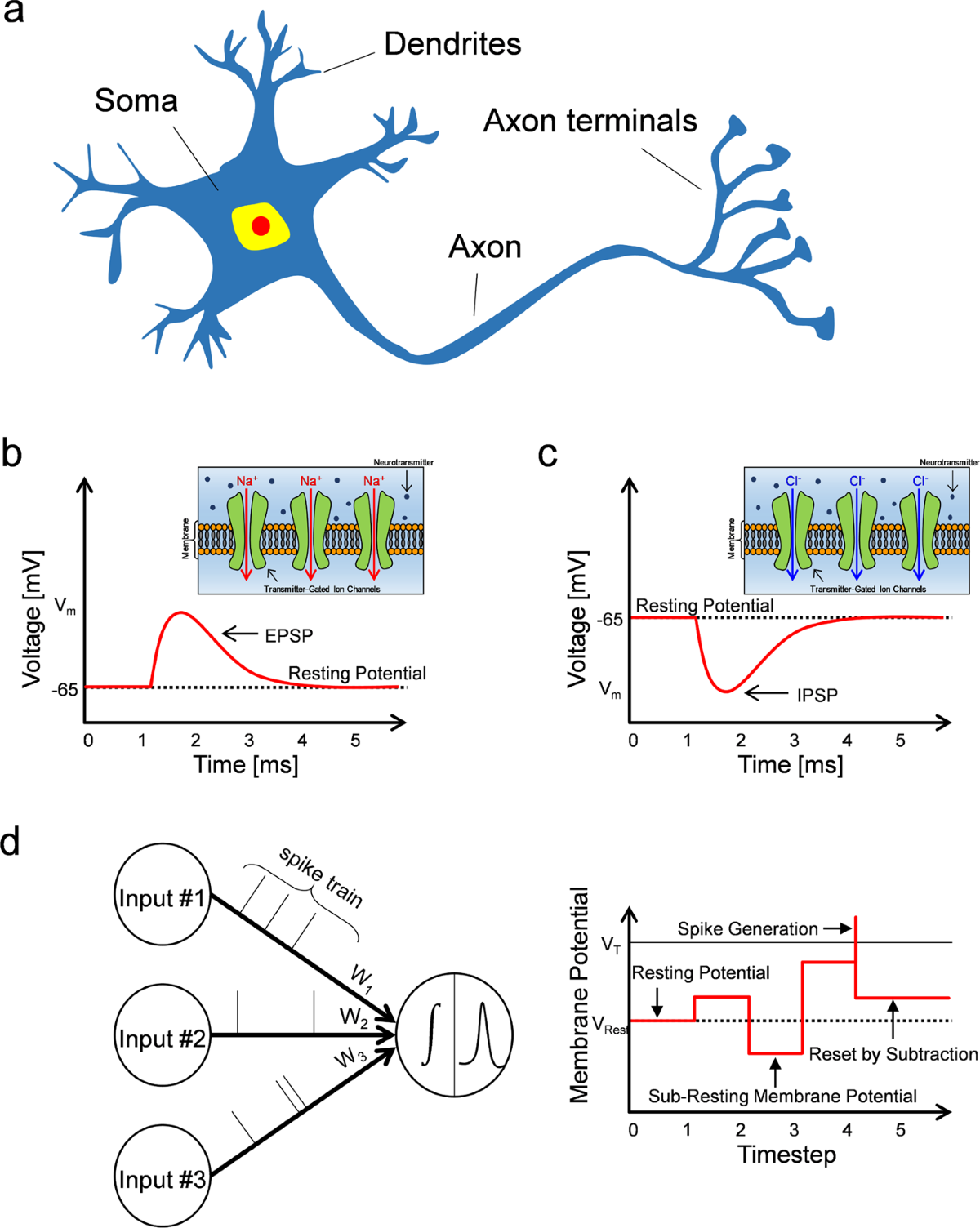
Every nerve cell relies on electrical gradients across its membrane to fire signals. When membranes are unstable, neurons fire too easily—even in response to minor stimuli. Taurine helps regulate ion flow (especially calcium and chloride), preventing unnecessary overactivation.
In simple terms:
-
Taurine keeps neurons from being too jumpy
-
It supports GABA-like calming effects
-
It reduces excitotoxic stress
Low taurine levels have been associated with heightened anxiety, irritability, and sensory sensitivity. When taurine is restored, many people notice a sense of internal steadiness—not numbness, but containment.
Magnesium: The Electrical Regulator of the Brain
If taurine stabilizes the structure of neurons, magnesium regulates their electricity.
Magnesium acts as a natural calcium antagonist. Calcium is required for nerve firing, but too much calcium entering neurons leads to excessive stimulation. Magnesium sits at critical receptor sites—especially NMDA receptors—preventing runaway excitation.
When magnesium is sufficient:
-
Neurons fire only when appropriate
-
Muscles can relax after contraction
-
The stress response resolves more easily
-
GABA receptors function more effectively
When magnesium is low, the nervous system behaves like an exposed wire—reactive, tense, and easily overloaded.
Modern life depletes magnesium rapidly through stress, caffeine, poor soil quality, and high sugar intake. The symptoms of deficiency often appear as:
-
Anxiety or inner restlessness
-
Muscle tightness or cramps
-
Poor sleep quality
-
Heightened sensitivity to noise or light
Restoring magnesium doesn’t force relaxation—it allows relaxation to happen.
Vitamin B1 (Thiamine): Fuel for Neuronal Recovery
While taurine and magnesium regulate signalling, vitamin B1 supports energy metabolism inside neurons.
Neurons rely almost exclusively on glucose for fuel. Thiamine is essential for converting glucose into usable energy through key enzymatic pathways. Without enough B1, neurons may receive glucose—but cannot use it efficiently.
This creates a paradoxical state:
-
Neurons are overstimulated
-
Energy production is impaired
-
Recovery between signals is poor
The result is a nervous system that feels exhausted yet wired.
Vitamin B1 supports:
-
Efficient glucose metabolism in neurons
-
Faster recovery after nerve firing
-
Reduced oxidative stress in the brain
-
Improved stress tolerance
Low B1 levels have been linked to anxiety, irritability, poor concentration, and sensory overload—especially under stress.
When These Nutrients Are Low: A Pattern of Over-Firing
When taurine, magnesium, and vitamin B1 are all insufficient, a recognizable pattern emerges:
-
Neurons fire too easily
-
Inhibitory signalling weakens
-
Stress hormones stay elevated
-
Muscles remain braced
-
Sensory input becomes overwhelming
This is not a personality flaw or a lack of resilience. It is a resource problem.
The nervous system cannot self-regulate without the biochemical tools to do so.
Food as Nervous System Repair
One of the most empowering aspects of this triad is that it can be supported through real food.
Some particularly supportive foods include:
Shellfish
Rich in taurine, vitamin B12, zinc, and other trace minerals that support neural stability and repair.
Pumpkin Seeds
A potent source of magnesium, along with supportive fats and minerals that nourish the nervous system.
Nutritional Yeast
Exceptionally rich in B vitamins, including B1, making it a valuable ally for neuronal energy metabolism.
These foods don’t act like sedatives. They restore capacity. Over time, the nervous system regains its ability to downshift naturally.
From Hypervigilance to Resilience
Calm is not something you force through discipline or positive thinking. Calm emerges when the nervous system feels supported enough to let go.
Taurine stabilizes.
Magnesium regulates.
Vitamin B1 fuels recovery.
Together, they strengthen inhibitory signalling, support GABA activity, and allow nerve cells to rest between signals. The result is not dullness—but clarity with softness, alertness without tension, and resilience without strain.
When the nervous system has what it needs, safety becomes the default state again.