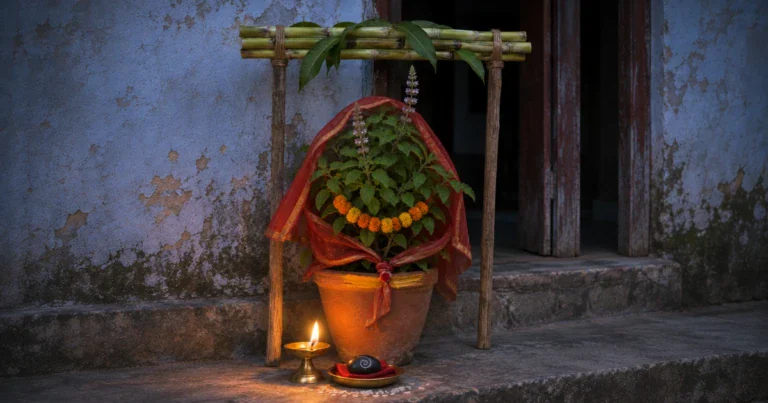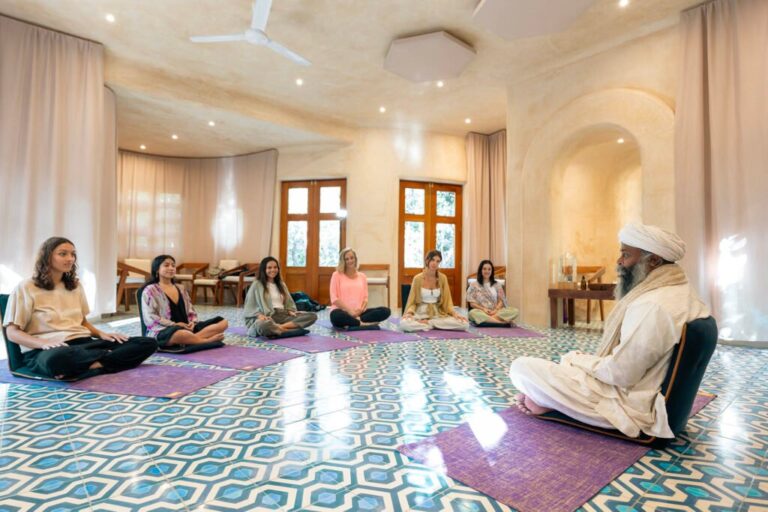
Kundalini Yoga is often called the Mother of All Yogas—not just because of its depth and potency, but because it embraces and nourishes every type of body, mind, and spirit. Rooted in ancient yogic wisdom, it offers thousands of kriyas (specific sequences of postures, breath, and mantra) that work on the body’s physical systems, subtle energies, and consciousness.
One of the most beautiful aspects of Kundalini Yoga is its adaptability. Whether your Ayurvedic constitution is Vata, Pitta, Kapha, or a combination, there are kriyas designed to bring you back into balance.
Why It Works for All Doshas
In Ayurveda, the three doshas—Vata (air + ether), Pitta (fire + water), and Kapha (earth + water)—govern not just our physical health, but our mental and emotional tendencies. Imbalances in these energies can lead to physical discomfort, emotional stress, and spiritual stagnation.
Kundalini Yoga works holistically, influencing:
- Prana (life force) through pranayama (breathwork)
- The nervous system through rhythmic movement and meditation
- The glandular system through posture and internal locks (bandhas)
- The mind through mantra and mental focus
Because there are thousands of kriyas, practitioners can choose or adapt sequences that specifically pacify or balance their dominant or aggravated dosha.
How Kundalini Yoga Meets Each Dosha
For Vata (Air + Ether)
- Tendency when imbalanced: Anxiety, restlessness, overthinking, fatigue.
- Kundalini approach: Gentle, rhythmic movements, longer holds, and grounding meditations.
- Best kriyas: Kriya for Elevation, Nabhi Kriya with slower pace, Meditation for a Calm Heart.
For Pitta (Fire + Water)
- Tendency when imbalanced: Irritability, overdrive, perfectionism, overheating.
- Kundalini approach: Cooling pranayamas, heart-opening meditations, moderate intensity.
- Best kriyas: Kirtan Kriya, Cooling Breath Meditations, Meditation to Open the Heart Center.
For Kapha (Earth + Water)
- Tendency when imbalanced: Lethargy, heaviness, lack of motivation.
- Kundalini approach: Dynamic, stimulating kriyas that activate circulation and metabolism.
- Best kriyas: Breath of Fire practices, Sat Kriya, Kriya to Release Inner Anger (done dynamically).
The Gift of Choice
The beauty of Kundalini Yoga lies in variety. Unlike other yoga systems where sequences are fixed, Kundalini offers a living library of thousands of kriyas—each a precise formula for a specific effect. Whether you need to awaken energy, calm the mind, detox the body, or open the heart, there is a kriya for you.
For those working with an Ayurvedic framework, you can intentionally select kriyas that balance your dosha in the moment, or rotate them seasonally to match the natural shifts in your mind-body constitution.
A Universal Practice
Because Kundalini Yoga’s kriyas address every layer of the human experience—physical, energetic, emotional, mental, and spiritual—it transcends body type, age, fitness level, and even temperament.
- A Vata type can use grounding kriyas to calm and focus.
- A Pitta type can turn to cooling meditations to soften intensity.
- A Kapha type can ignite inner fire through dynamic sequences.
This makes Kundalini Yoga not just suitable for all doshas, but deeply transformative for anyone willing to practice.
Closing Thought
Whether you are airy like Vata, fiery like Pitta, grounded like Kapha, or a unique mix of all three, there’s a kriya waiting for you. The wisdom of Kundalini Yoga lies in its infinite adaptability—meeting you exactly where you are, and guiding you to where your body, mind, and soul long to be.
Sat Nam.
Frequently Asked Questions
Why is Kundalini Yoga called the Mother of All Yogas?
Because of its depth, potency, and completeness. Drawing on the ancient Kundalini traditions, it weaves together breath, movement, sound, and awareness into a vast body of practices — thousands of kriyas — each designed to work on body, mind, and spirit together. It holds within it the essence of so many paths.
What is a kriya?
A kriya is a specific, complete sequence — a set of postures, breath, sound, and focus done in a particular order to create a precise effect. There are thousands of them, each targeting something different, from vitality to emotional balance to meditative depth. It’s like having a specific prescription for a specific need.
Is there a Kundalini practice suited to my constitution?
That’s part of the beauty — with so many kriyas, there’s something aligned to every dosha and every state. Whether you need grounding, energizing, cooling, or calming, the tradition offers a practice to meet you where you are. A knowledgeable teacher can help you find what suits your body and moment.