
Every relationship lives inside the nervous system first.
Before words are chosen, before meaning is assigned, before conflict is interpreted as “about” something — the body has already decided whether connection feels safe, threatening, or unavailable.
This is why the same partner can feel like home one moment, an enemy the next, and a stranger the day after.
What’s shifting isn’t love.
It’s regulation.
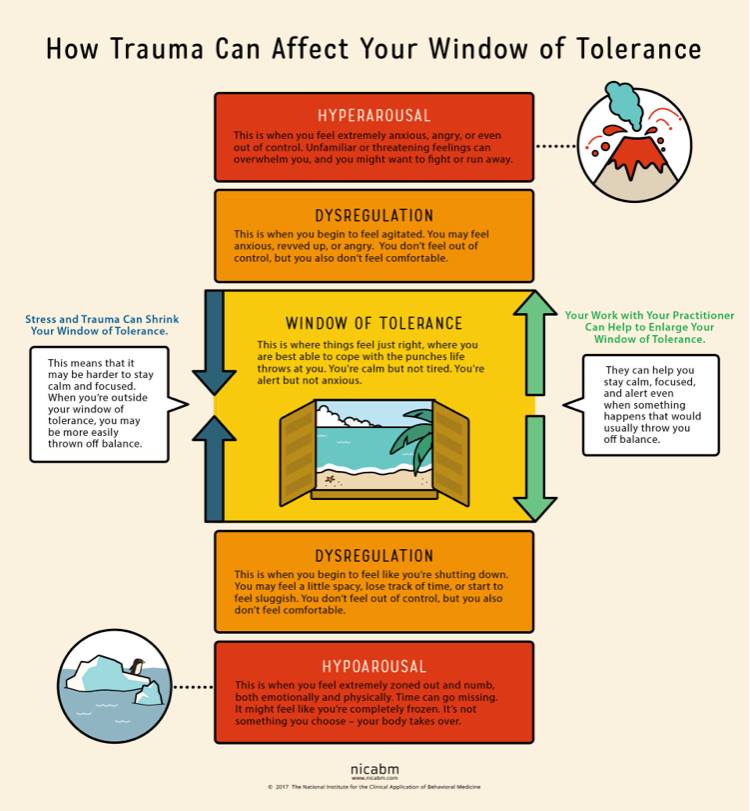
Modern psychology calls this range the window of tolerance — the zone where your nervous system can stay present, responsive, and emotionally available without tipping into survival mode. Relationships constantly move in and out of this window. Where you land shapes how connection feels in that moment.
Understanding this changes everything — especially how you interpret conflict, distance, and reconnection.
When Stress Pushes You Into Fight: Love Feels Like Threat
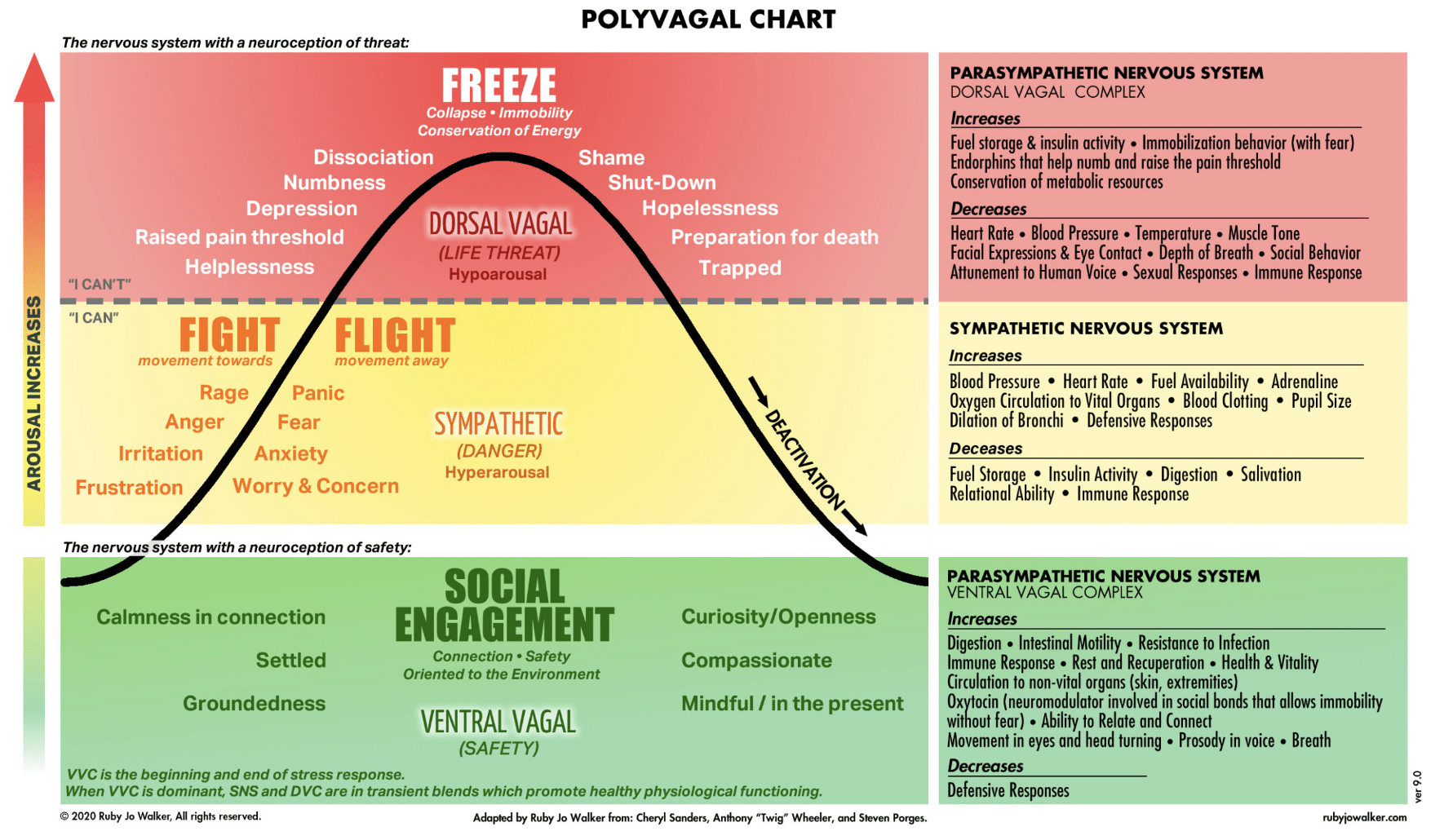
When stress overwhelms the nervous system, one common response is hyper-arousal — the fight response.
In this state:
-
Tension rises quickly
-
The body prepares for danger
-
The mind scans for what’s wrong
-
The partner unconsciously becomes the “problem”
Words sharpen. Tone tightens. Small issues feel urgent and personal. Even loving intentions can come out as criticism, accusation, or defensiveness.
This isn’t because you want to hurt each other.
It’s because the nervous system is searching for safety — and speed feels like survival.
In fight mode:
-
You may feel compelled to prove, correct, or win
-
Listening feels hard because the body is braced
-
Repair feels impossible because the system is already on edge
The tragedy here is that both people are usually asking the same question beneath the argument:
“Am I safe with you right now?”
When the System Pulls Inward: Disengagement and Shutdown
On the opposite end of the spectrum is hypo-arousal — the freeze or collapse response.
Here, the nervous system doesn’t mobilize.
It retreats.
Instead of fighting, the system conserves energy by pulling inward.
You might notice:
-
Silence or minimal responses
-
Emotional numbness
-
Going through the motions without presence
-
A quiet sense of disconnection or demoralization
From the outside, this can look like indifference or withdrawal. From the inside, it often feels like exhaustion, overwhelm, or “I don’t have it in me.”
This state is just as protective as fight mode — but it protects by disappearing.
And just like fight mode, it’s not a failure of love.
It’s a nervous system saying, “This is too much right now.”
When You’re Co-Regulated: Connection Feels Like Home Again
There is another state — one that feels radically different.
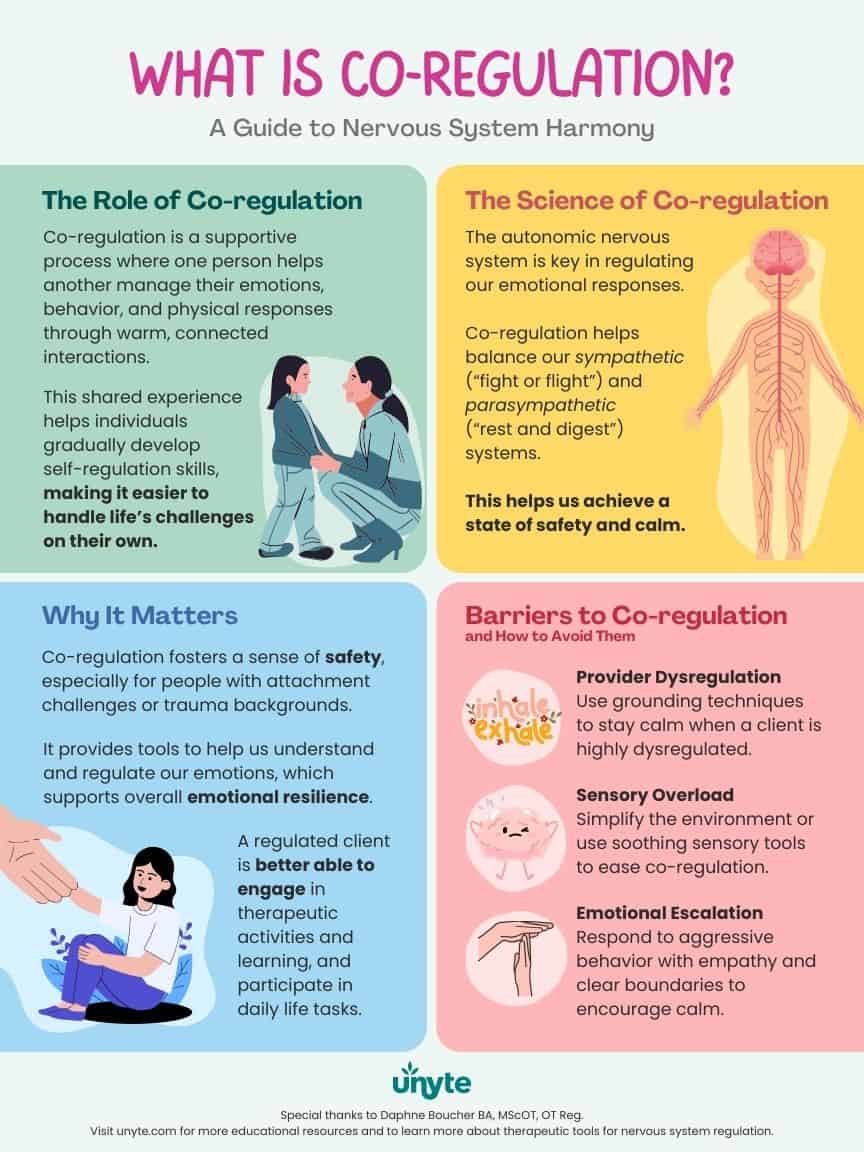
This is co-regulation, when both people are within their window of tolerance and their nervous systems are supporting one another.
In this state:
-
Heart, head, and body stay online together
-
Emotional presence is possible
-
Curiosity replaces defensiveness
-
Differences can exist without threat
-
Enjoyment and warmth return naturally
You can feel:
-
Seen without being judged
-
Open to your partner’s perspective
-
Comforted simply by being together
-
More yourself in their presence
This is the state most people think of when they say, “This is what love should feel like.”
But here’s the truth that relieves so much shame:
No relationship stays here all the time.
Relationships Are Rhythmic, Not Static
Healthy relationships are not defined by constant harmony.
They are defined by movement.
You will:
-
Drift into stress
-
Lose regulation
-
Miss each other emotionally
-
Misinterpret signals
-
Pull apart or clash
And then — with awareness — you can find your way back.
The work of relationship isn’t to avoid dysregulation.
It’s to recognize it sooner, slow things down, and return together.
This means learning to ask different questions, like:
-
Where is my nervous system right now?
-
Am I activated, collapsed, or present?
-
What would help us slow this moment down?
When these questions replace blame, everything shifts.
Slowing Down Is Not Avoidance — It’s Skill
One of the most powerful relational skills is knowing when not to push forward.
When systems are outside the window of tolerance:
-
Conversations escalate or shut down
-
Logic doesn’t land
-
Repair attempts fail
Pausing isn’t giving up.
It’s giving the nervous system time to come back online.
Sometimes regulation looks like:
-
Taking a breath before responding
-
Naming the state instead of the story (“I’m really activated right now”)
-
Creating physical safety (space, warmth, grounding)
-
Returning later when presence is possible
This is how couples learn to repair without re-traumatizing each other.
Finding Your Way Back Together
Co-regulation isn’t something one person does to another.
It’s something that emerges between you.
It’s built through:
-
Predictability
-
Emotional honesty
-
Gentleness during stress
-
Repair after rupture
-
Respect for each other’s nervous systems
Over time, partners who practice this begin to feel safer more quickly — even during conflict. The window widens. Recovery speeds up. Trust deepens.
Not because you stop getting dysregulated,
but because you stop getting lost there.
The Deeper Truth
When relationships feel hard, distant, or volatile, it’s tempting to assume something is wrong with the bond.
Often, what’s happening is simpler — and kinder.
The nervous system is overwhelmed.
And when the nervous system finds safety again, love doesn’t need to be forced.
It reappears.
Connection becomes possible.
Presence returns.
And the relationship remembers how to breathe again — together.