

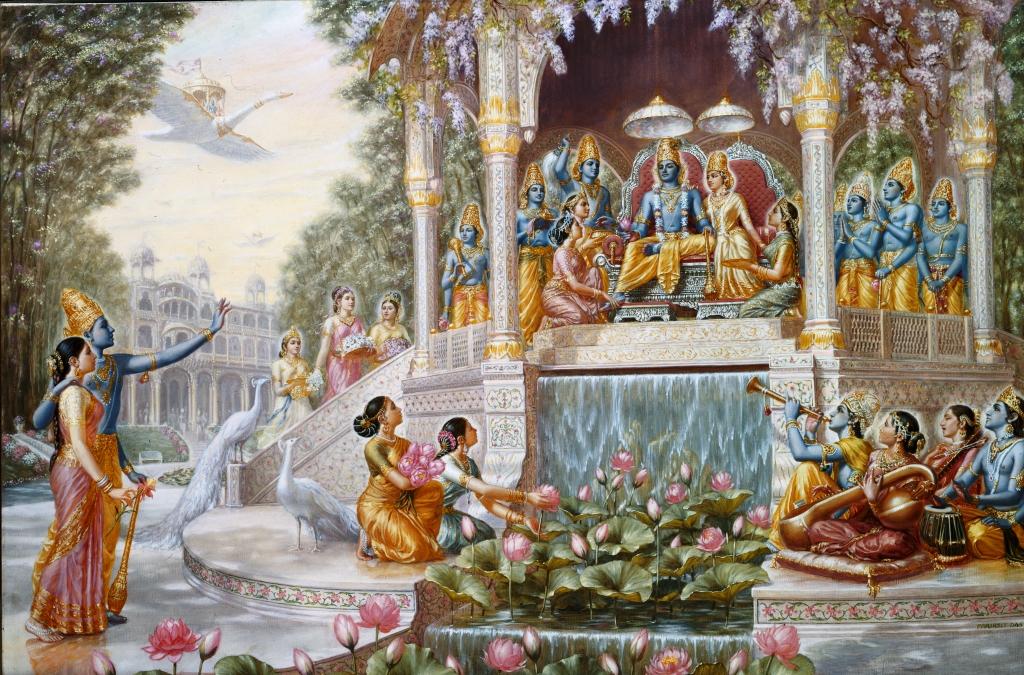
Vaikunta Ekadashi is one of the most sacred and spiritually potent days in the Vaishnava tradition. Observed during the bright fortnight (Shukla Paksha) of the Tamil month Margazhi (usually December–January), this Ekadashi is believed to be the day when the gates of Vaikuntha, the eternal abode of Lord Vishnu, are opened for sincere devotees.
Unlike other Ekadashis that occur twice every lunar month, Vaikunta Ekadashi stands apart—not just as a fasting day, but as a cosmic gateway for liberation, grace, and divine remembrance.
What Does “Vaikunta Ekadashi” Mean?
-
Vaikuntha – the realm of Lord Vishnu, a state beyond birth, death, and suffering
-
Ekadashi – the 11th lunar day, traditionally associated with purification of the mind and senses
Together, Vaikunta Ekadashi symbolizes the opening of a higher state of consciousness, where devotion, surrender, and inner alignment allow the soul to move closer to liberation (moksha).
Spiritual Significance of Vaikunta Ekadashi
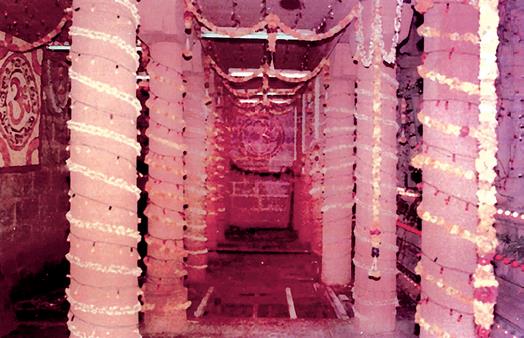
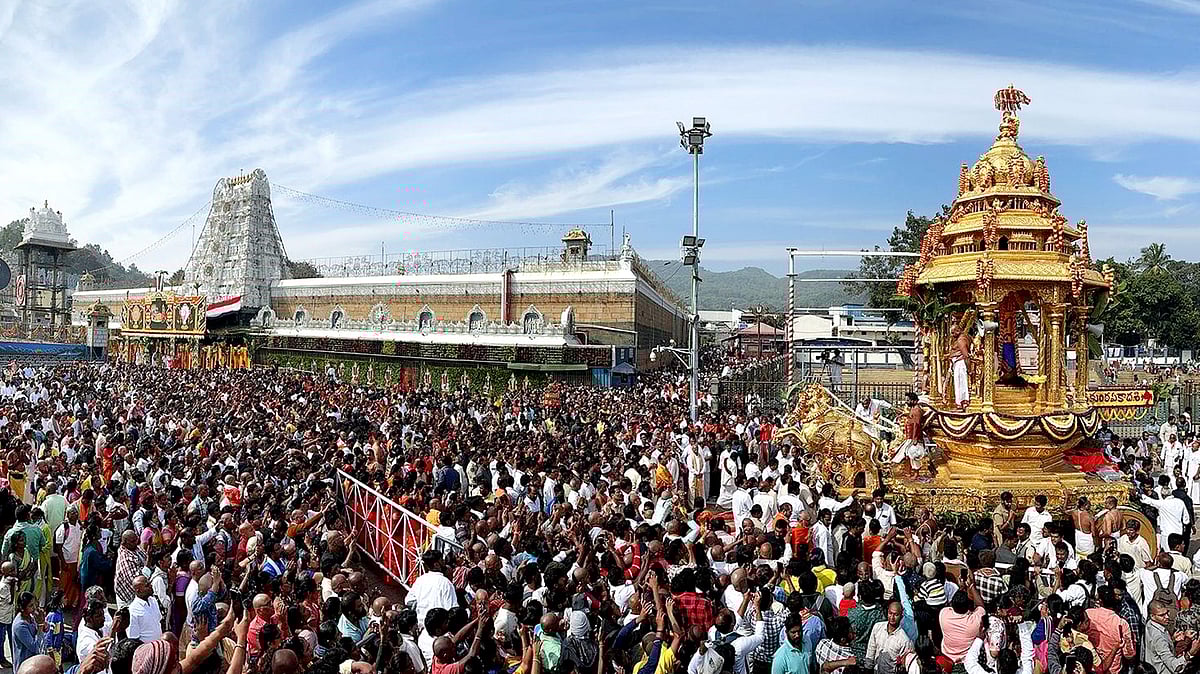

1. The Opening of Vaikunta Dwaram
On this day, Vishnu temples open a special entrance called Vaikunta Dwaram (Gateway to Liberation). Passing through this gate is believed to symbolically release accumulated karmas and align the soul with divine grace.
2. The Cosmic Night of Vishnu
Vaikunta Ekadashi falls during Dhanur Masa (Margazhi), considered the Brahma Muhurta of the devas. While humans experience night, the gods experience dawn—making prayers offered on this day exceptionally powerful.
3. Liberation Through Bhakti
The scriptures emphasize that devotion on Vaikunta Ekadashi surpasses ritual complexity. Even simple remembrance of Vishnu with sincerity is said to yield immense spiritual merit.
Sacred Stories Associated with Vaikunta Ekadashi
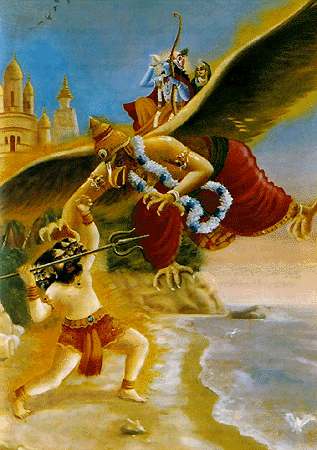

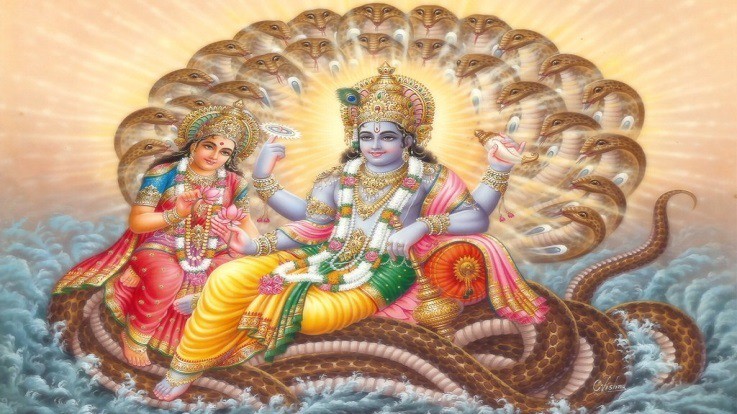
1. The Legend of Demon Muran
According to the Padma Purana, the demon Muran tormented the devas and threatened cosmic balance. Lord Vishnu engaged in a fierce battle and eventually entered a yogic sleep in a cave.
From Vishnu’s divine energy emerged a radiant feminine force—Ekadashi Devi—who defeated Muran. Pleased, Vishnu granted her a boon:
Those who observe Ekadashi with devotion shall be freed from sins and attain Vaikuntha.
Vaikunta Ekadashi commemorates this victory of divine consciousness over ego and darkness.
2. The Story of King Ambarisha
King Ambarisha was a devoted follower of Vishnu who observed Ekadashi with unwavering discipline. When sage Durvasa tested him by arriving late on Dwadashi, Ambarisha chose devotion over fear, sipping sacred water to complete his Ekadashi vow.
Vishnu protected the king, demonstrating that steadfast devotion outweighs ritual rigidity and ego-driven spirituality.
3. The Churning of the Karmic Ocean
Many saints interpret Vaikunta Ekadashi symbolically:
-
The fast represents withdrawal from sensory indulgence
-
The night vigil represents awareness during darkness
-
The Vaikunta gate represents the opening of higher consciousness
Thus, the day is not just mythological—it is deeply psychological and spiritual.
Traditional Rituals of Vaikunta Ekadashi


1. Ekadashi Vrat (Fasting)
-
Complete fast or fruit/milk-based fast
-
Avoid grains, beans, onion, garlic
-
Fast is broken on Dwadashi morning
2. Early Morning Sacred Bath
Bathing before sunrise symbolizes washing away karmic residue and preparing the subtle body for grace.
3. Vishnu Worship
-
Offer tulsi leaves, flowers, fruits
-
Light a ghee lamp
-
Chant Vishnu mantras
Recommended chants:
-
Om Namo Narayanaya
-
Vishnu Sahasranama
-
Divya Prabandham (in Vaishnava tradition)
4. Night Vigil (Jagaran)
Staying awake through the night in prayer, kirtan, or silent meditation represents wakefulness of the soul while the ego sleeps.
Spiritual & Energetic Benefits of Observing Vaikunta Ekadashi
1. Karmic Purification
Ekadashi is said to dissolve accumulated karmas—especially those connected to desire, attachment, and unconscious habits.
2. Strengthening of Bhakti
Devotion practiced on this day deepens humility, surrender, and trust in divine intelligence.
3. Mental Clarity & Emotional Reset
Fasting and mantra chanting calm the nervous system, reduce mental clutter, and restore inner equilibrium.
4. Alignment With Higher Destiny
Vaikunta Ekadashi is believed to realign the soul with its highest path, especially for those seeking liberation rather than material gain.
Vaikunta Ekadashi as an Inner Gateway
Beyond ritual, Vaikunta Ekadashi invites a profound reflection:
What attachments am I ready to release?
Which inner doors am I willing to open?
Vaikuntha is not only a celestial realm—it is a state of consciousness where fear dissolves, love becomes steady, and the soul rests in remembrance.
A Simple Inner Practice for Vaikunta Ekadashi
Sit quietly at dawn or midnight.
Place one hand on the heart.
Chant softly or inwardly:
Om Namo Narayanaya
With each repetition, imagine a golden door opening within your chest—
not forcing entry,
only allowing grace.
Closing Reflection
Vaikunta Ekadashi reminds us that liberation is not achieved through effort alone, but through alignment, surrender, and remembrance.
When the mind quiets,
when devotion becomes natural,
Vaikuntha opens within.
✨ May this sacred Ekadashi bring clarity, peace, and divine proximity. ✨