

Understanding Biotensegrity — The Hidden Architecture of the Human Body
For centuries, people have imagined the human body as a mechanical stack of bones.
In this model, bones act like rigid pillars.
Muscles pull on them like ropes.
And the skeleton supports the body like a structural frame.
But modern biomechanics and anatomical research suggest something far more elegant.
Your skeleton does not actually hold you up.
Instead, the human body behaves more like a tensegrity structure—a dynamic system where stability emerges from the balance between tension and compression.
This concept is known as biotensegrity.
And once you understand it, the way you see movement, posture, injury, healing, yoga, and even consciousness begins to change.
The Architectural Principle of Tensegrity
The word tensegrity is a combination of tension and integrity.
It describes a structural system in which rigid components do not rest directly on each other but instead float within a continuous network of tension.
This idea was popularized by architect Buckminster Fuller and sculptor Kenneth Snelson, whose structures demonstrated how stability can arise from the interaction between compression and tension.
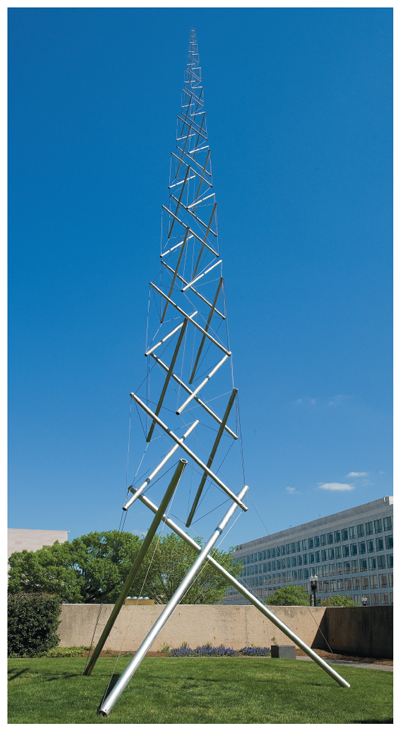

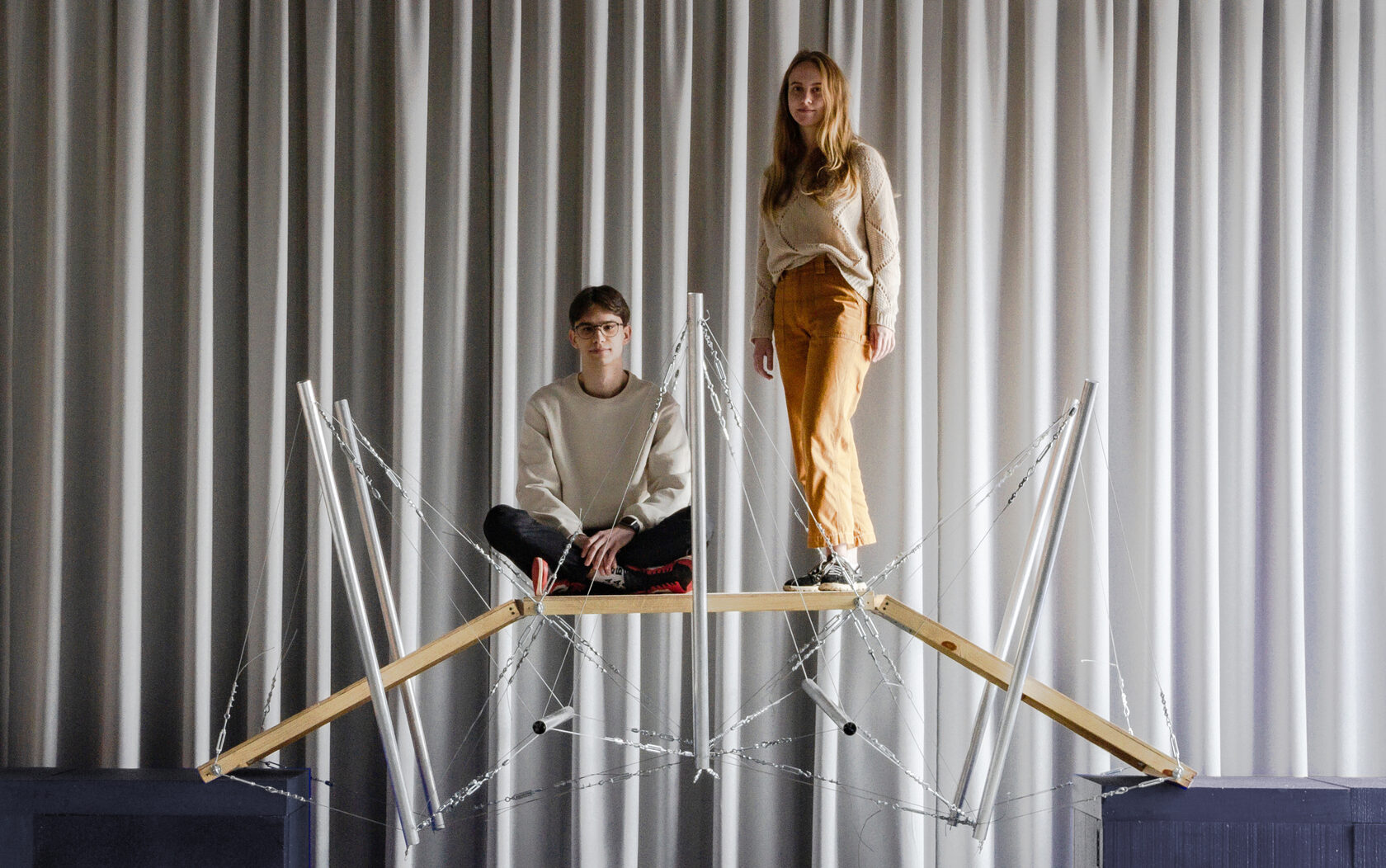
In tensegrity systems:
• Rigid components handle compression
• Cables or tension elements maintain structural stability
Because the tension network distributes forces evenly, the structure becomes extremely resilient and adaptive.
Engineers now use tensegrity principles in:
-
bridges
-
robotics
-
architectural installations
-
deployable space structures designed by organizations such as NASA
These structures are lightweight, flexible, and capable of absorbing stress without collapsing.
Surprisingly, the human body may be built using the same principle.
From Tensegrity to Biotensegrity
Researchers studying anatomy and biomechanics began noticing that the body does not behave like stacked blocks.
Bones are not simply sitting on top of each other like bricks in a wall.
Instead, the body distributes force through a continuous tension network.
This idea evolved into the concept of biotensegrity.


In biotensegrity:
• Bones act as compression struts
• Fascia acts as tension cables
Fascia is a continuous connective tissue matrix that wraps around muscles, organs, nerves, and bones.
It forms an uninterrupted network that runs through the entire body.
This means your body is not assembled from separate parts.
It functions as one integrated tension system.
What Is Fascia?
For many years, fascia was dismissed as merely a packaging tissue—something that held muscles together but did little else.
That understanding has changed dramatically.
Fascia is now recognized as one of the most sophisticated biological networks in the body.
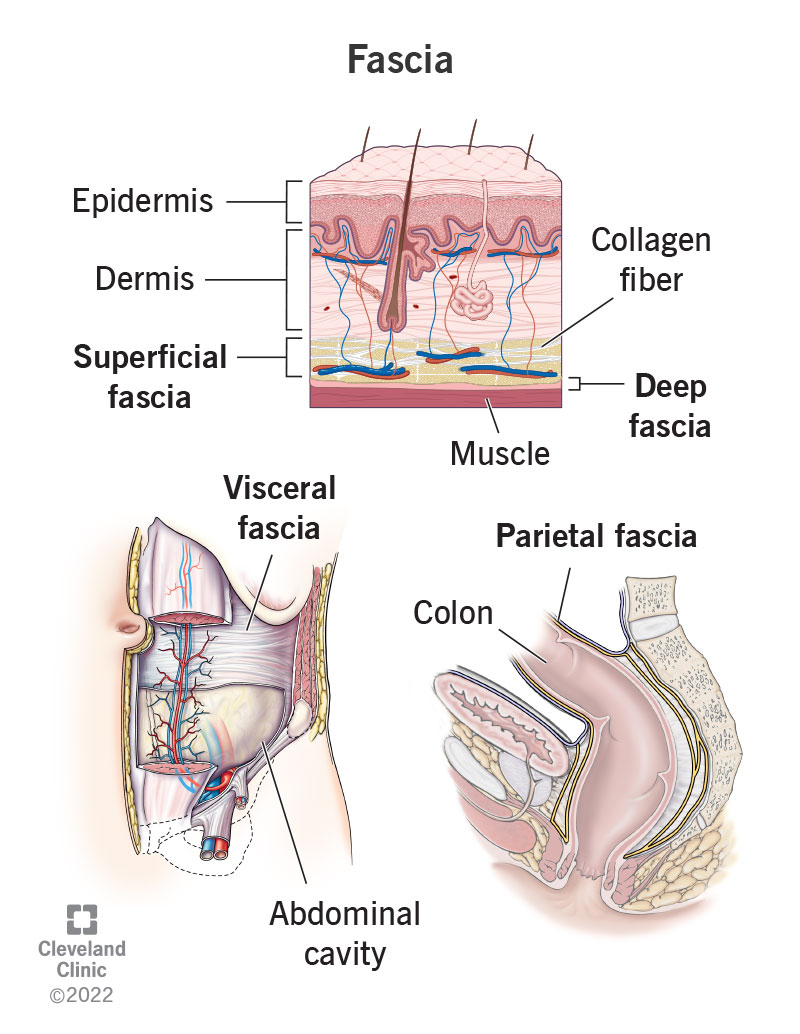


Fascia:
• surrounds every muscle fiber
• wraps organs and bones
• connects distant regions of the body
• contains sensory nerves and mechanoreceptors
• transmits force across the entire body
Because fascia forms a continuous web, tension in one area can influence distant areas.
This is why:
-
tight hips can affect the shoulders
-
jaw tension can influence posture
-
foot dysfunction can alter the spine
The body is not local in its mechanics.
It is global.
Why the Body Does Not Collapse
If bones are not stacked pillars, why don’t we collapse like a pile of loose parts?
Because the fascial tension network holds everything in place.
In a tensegrity system, stability does not come from rigid stacking.
It comes from balanced tension across the entire system.
This allows the body to:
• absorb shock
• distribute force efficiently
• adapt to movement instantly
• maintain structural integrity even under stress
When you walk, run, breathe, or practice yoga, forces travel through the entire fascial network.
Every movement becomes a whole-body event.
Why Injuries Often Appear Far From the Cause
One of the most fascinating implications of biotensegrity is how injuries occur.
In the old mechanical model:
Pain equals the site of the problem.
But in a tensegrity system, the location of pain is often not the origin of dysfunction.
Because tension spreads across the fascial web, a disturbance in one region can appear elsewhere.
Examples:
• Foot instability → knee pain
• Tight diaphragm → neck tension
• Jaw clenching → lower back discomfort
• Hip restriction → shoulder problems
The body redistributes tension like a spider web.
Pull one corner, and the entire structure responds.
Movement Is a Whole-Body Phenomenon
Biotensegrity also explains why isolated muscle training often produces limited results.
When you move your arm, the movement is not just happening in the shoulder.
The fascial network distributes that force through:
-
the rib cage
-
the spine
-
the pelvis
-
the legs
-
even the feet
This is why disciplines such as yoga, martial arts, and somatic practices emphasize integrated movement patterns rather than isolated muscles.
The body functions as a unified field of tension and support.
Breath: The Central Tension Regulator
One of the most powerful regulators of fascial tension is the breath.
The diaphragm connects into multiple fascial chains that run through the spine, ribs, and pelvis.
Every breath reorganizes the tension system of the body.
This is why breath practices—especially in **Kundalini Yoga—can dramatically alter posture, emotional states, and physical alignment.
Breathing does not simply move air.
It reorganizes the structural tension field of the body.
The Body as a Living Web
When viewed through the lens of biotensegrity, the body is no longer a mechanical machine.
It becomes something much more sophisticated:
A living tension network.
Every cell is embedded in connective tissue.
Every movement ripples through the entire system.
Every breath reorganizes structural balance.
You are not a stack of bones.
You are a dynamic field of tension, compression, and intelligent organization.
The Deeper Insight
Understanding biotensegrity also changes how we approach healing.
Instead of fixing isolated parts, we begin to restore balance across the whole system.
Movement becomes medicine.
Breath becomes architecture.
Awareness becomes alignment.
The body is not fragile.
It is a self-organizing tensegrity structure designed for resilience, adaptability, and flow.
And when tension throughout the system becomes balanced, something remarkable happens.
The body does not merely function.
It moves with intelligence, efficiency, and grace.